If you are deciding between a newly built home and an older property with history, Hinsdale makes that choice especially interesting. This village offers both architecturally significant historic areas and active redevelopment, so your decision often comes down to how you want to live day to day. Understanding the trade-offs can help you buy with more confidence and fewer surprises. Let’s dive in.
Why Hinsdale Offers Both Options
Hinsdale stands out because it blends established historic neighborhoods with ongoing infill development. The Downtown Hinsdale Historic District was listed in 2006, and the Robbins Park Historic District followed in 2008.
Robbins Park is a major part of that story. It includes 475 homes, and about 300 of them were built more than 65 years ago. That gives buyers a rare mix of older architecture, mature streetscapes, and homes with deep local roots.
The village’s historic setting is not just about age. Robbins Park was part of Hinsdale’s original town plan and reflects the influence of William Robbins and landscape architect Horace Cleveland. The area includes a broad range of architectural styles, including Craftsman, Prairie, Queen Anne, Tudor Revival, Colonial Revival, and more.
For many buyers, that character starts with the setting itself. Brick streets in Robbins Park and other period details give parts of Hinsdale a distinct sense of place that newer communities often cannot replicate.
What New Construction Offers
New construction in Hinsdale usually means infill or redevelopment, not a large new subdivision. That matters because newer homes here are typically added within an already established village setting.
For buyers, the biggest advantage is often efficiency and lower near-term maintenance. The U.S. Department of Energy notes that insulation is more cost-effective to install during construction than later, and newer homes are generally better positioned for energy savings, comfort, durability, and performance.
You may also appreciate the convenience factor. Some newer Hinsdale communities have been marketed as maintenance-free and may include HOA coverage, which can appeal if you travel often or simply want fewer exterior responsibilities.
Another plus is modern systems from day one. A newly built home may give you updated HVAC, plumbing, electrical, insulation, and layouts designed for current lifestyles without needing immediate renovation.
New Construction Still Has Local Rules
In Hinsdale, a new home is not built in a vacuum. Village site plan review looks at compatibility with nearby structures, drainage, utility integration, and preservation of natural features.
That means even a brand-new house is expected to work with the surrounding streetscape. In historic districts, local code also requires new construction to be compatible with district styles, design standards, and the broader visual context.
So if you are considering new construction, the question is not just “Is it new?” It is also “How well does it fit where it sits?”
What Historic Homes Offer
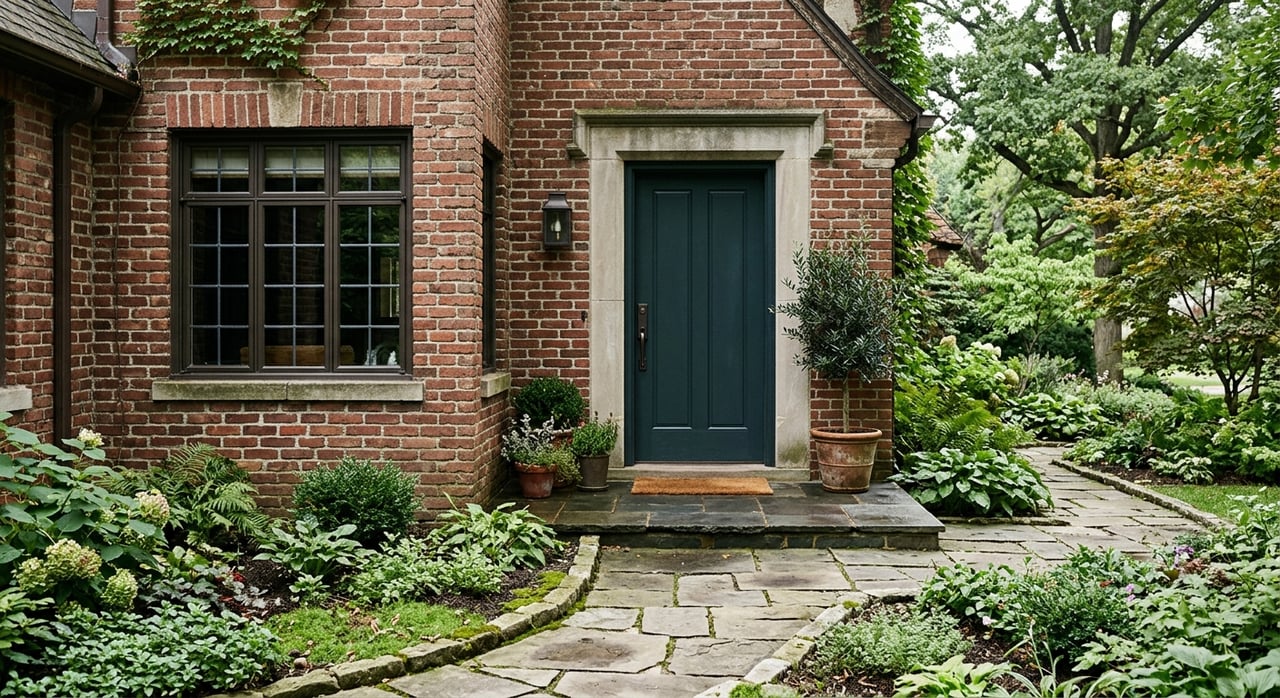
Historic and older homes in Hinsdale often attract buyers who care about architecture, craftsmanship, and a strong neighborhood identity. In Robbins Park, many homes date to the mid- to late-1800s, and the neighborhood includes properties tied to notable architects and period styles.
These homes can offer details that are hard to reproduce today. You may find original millwork, distinct facades, established lots, and a setting shaped over generations rather than a few recent years.
For some buyers, that is the main draw. A historic home can feel less like a product and more like a one-of-a-kind property with its own story.
Historic Homes Can Mean More Upkeep
The trade-off is usually maintenance, repair, and updating. Large older houses often require more ongoing attention, and costs can add up if systems or materials are nearing the end of their useful life.
Energy performance may also differ from what you would expect in a new build. The Department of Energy notes that many older homes have less insulation than homes built today, which can affect comfort and utility costs.
Renovation timelines can also be longer. If you plan to update an older Hinsdale home, the work may involve more planning, more specialists, and more budget flexibility than a cosmetic refresh in a newer property.
Hinsdale Historic Rules Matter
One of the most important local details is that federal historic status and village regulation are not the same thing. National Register listing is honorary at the federal level, but Hinsdale’s own local code can still regulate work in designated historic areas.
In the Robbins Park Historic District, many alterations, demolitions, and new residences require a certificate of appropriateness. The village may also require plans, specifications, and in some cases an Historic and Architectural Impact Study.
For buyers, this matters before you close, not after. If you are thinking about additions, exterior changes, demolition, or major redevelopment, you will want to understand the review process early.
Why This Is Important for Planning
Historic review does not automatically mean you cannot make changes. It does mean your timeline, design choices, and renovation strategy may need to follow a more detailed approval path.
That can be worthwhile if you value preservation and neighborhood continuity. But it is best to go in with a clear picture of what is allowed and what steps may be required.
Health and Renovation Questions for Older Homes
If a home was built before 1978, lead-based paint is a key issue to consider. The EPA recommends testing or a risk assessment before buying or renovating older homes where lead hazards may be present.
Asbestos is another important concern. The EPA notes that asbestos can be found in older materials such as floor tile, ceiling tile, siding, and pipe wrap, especially when those materials are disturbed during remodeling.
These issues do not make an older home a poor choice. They simply mean you should approach inspections and renovation planning with care.
Smart Questions to Ask About an Older Hinsdale Home
- Is the property in a National Register district, a local historic district, or a designated landmark?
- If it is in Robbins Park, will planned work require preliminary design review or a certificate of appropriateness?
- Has the home been checked for lead hazards or asbestos before renovation planning?
- Which systems are original, and which have already been updated?
- How old are the roof, HVAC, plumbing, electrical, and insulation?
These questions can help you separate a manageable project from one that may require much more time and money.
Key Questions for New Construction
A newer home may look move-in ready, but you still want to understand what is behind the finishes. Not all new homes offer the same level of efficiency, design quality, or ongoing maintenance support.
You should ask specific questions about performance standards, neighborhood fit, and ownership structure. In a market like Hinsdale, those details shape long-term satisfaction.
Smart Questions to Ask About a New Hinsdale Home
- What insulation package or energy standard is included?
- Is the home built to a recognized high-performance standard?
- How does the design respond to nearby homes and the existing streetscape?
- Is the property part of an HOA or maintenance-free community?
- If there is an HOA, what services and exterior responsibilities are covered?
A new home can simplify your life, but the right fit depends on more than just fresh finishes and modern floor plans.
Tax Considerations for Some Historic Homes
If you are buying a qualifying historic principal residence and planning a substantial approved rehabilitation, Illinois’ Property Tax Assessment Freeze may be worth discussing. The program is free and applies in communities with an approved preservation ordinance, and Hinsdale is one of them.
This will not apply to every buyer or every property. Still, for the right historic home and renovation plan, it can become part of the financial picture.
Which Home Type Fits Your Lifestyle?
In Hinsdale, this decision is usually not about declaring one option better than the other. It is about matching the home to your priorities, budget, and tolerance for upkeep.
A historic home may be the right fit if you value original architecture, mature surroundings, and a setting with a strong sense of place. A new home may make more sense if you want modern systems, stronger energy performance, and fewer immediate maintenance needs.
Both choices can be excellent. The right answer depends on how you want to live once move-in day has passed.
If you are weighing new construction against a historic home in Hinsdale, local context matters as much as square footage or style. Colleen C. Wilcox can help you evaluate the trade-offs, understand local considerations, and find the property that aligns with your goals.
FAQs
What makes historic homes in Hinsdale different from older homes in other suburbs?
- Hinsdale has recognized historic districts, including Robbins Park, where architecture, brick streets, and local review standards create a distinct ownership experience.
Do historic district rules affect home renovations in Hinsdale?
- Yes. In designated areas such as Robbins Park, certain alterations, demolitions, and new construction may require village review, a certificate of appropriateness, and supporting documentation.
Are new construction homes in Hinsdale usually part of large developments?
- Not typically. New construction in Hinsdale is often infill or redevelopment within established neighborhoods rather than large greenfield subdivisions.
What should buyers inspect in an older Hinsdale home?
- Buyers should pay close attention to roof, HVAC, plumbing, electrical, insulation, and potential lead or asbestos concerns, especially in homes built before 1978.
Can a historic home in Hinsdale offer tax benefits?
- In some cases, yes. Illinois’ Property Tax Assessment Freeze may apply to qualifying historic principal residences that undergo substantial approved rehabilitation.
Is new construction always easier to own than a historic home in Hinsdale?
- Not always, but it often offers newer systems, better energy performance, and less immediate maintenance, while historic homes may require more planning and ongoing upkeep.